A Homeowner's Guide to Charleston's Historic District Roofing Regulations
Owning a home in Charleston’s historic district is a unique privilege. The stunning architecture, cobblestone streets, and iconic piazzas tell a story of centuries past. But preserving that story comes with a responsibility, especially when it comes to significant updates like a roof replacement. The regulations set by the Board of Architectural Review (BAR) can seem daunting, leaving many homeowners feeling uncertain about where to begin. The process is designed to protect the character of our beautiful city, but it doesn't have to be a source of stress.
At BCS Roofing, we understand the delicate balance between modern durability and historical integrity. We've helped countless homeowners navigate the specific requirements for roofing in these protected areas. This guide will walk you through the key considerations, from approved materials to the permitting process, ensuring your roofing project not only protects your home but also honors its place in Lowcountry history.
Why Historic Roofing Requires a Different Approach
Unlike a standard suburban home, a property within a historic district is considered part of a collective architectural heritage. Any exterior modification, especially something as prominent as the roof, is subject to review to ensure it aligns with the district's historical character. The primary goal of historic preservation is not to freeze a building in time, but to manage change in a way that respects its original design, materials, and craftsmanship.
This is where the Board of Architectural Review (BAR) comes in. Their role is to review applications for exterior work to ensure that any changes are appropriate for the structure and the surrounding neighborhood. For roofing, this means they will scrutinize:
- Material Choice: Is the proposed material historically accurate or a compatible modern substitute?
- Visual Profile: Does the new roof maintain the same shape, pitch, and texture as the original?
- Color and Finish: Do the colors and finishes complement the building and the district's aesthetic?
Navigating these requirements without professional guidance can lead to project delays, costly revisions, or even fines. Working with a contractor who is well-versed in these specific codes is the first step toward a successful and compliant project.
Choosing Approved Materials and Styles
One of the most critical aspects of a historic roofing project is selecting the right materials. The BAR has specific guidelines that favor materials that were either used traditionally or are modern equivalents that replicate the historic look and feel. While every property is unique, some commonly approved materials include:
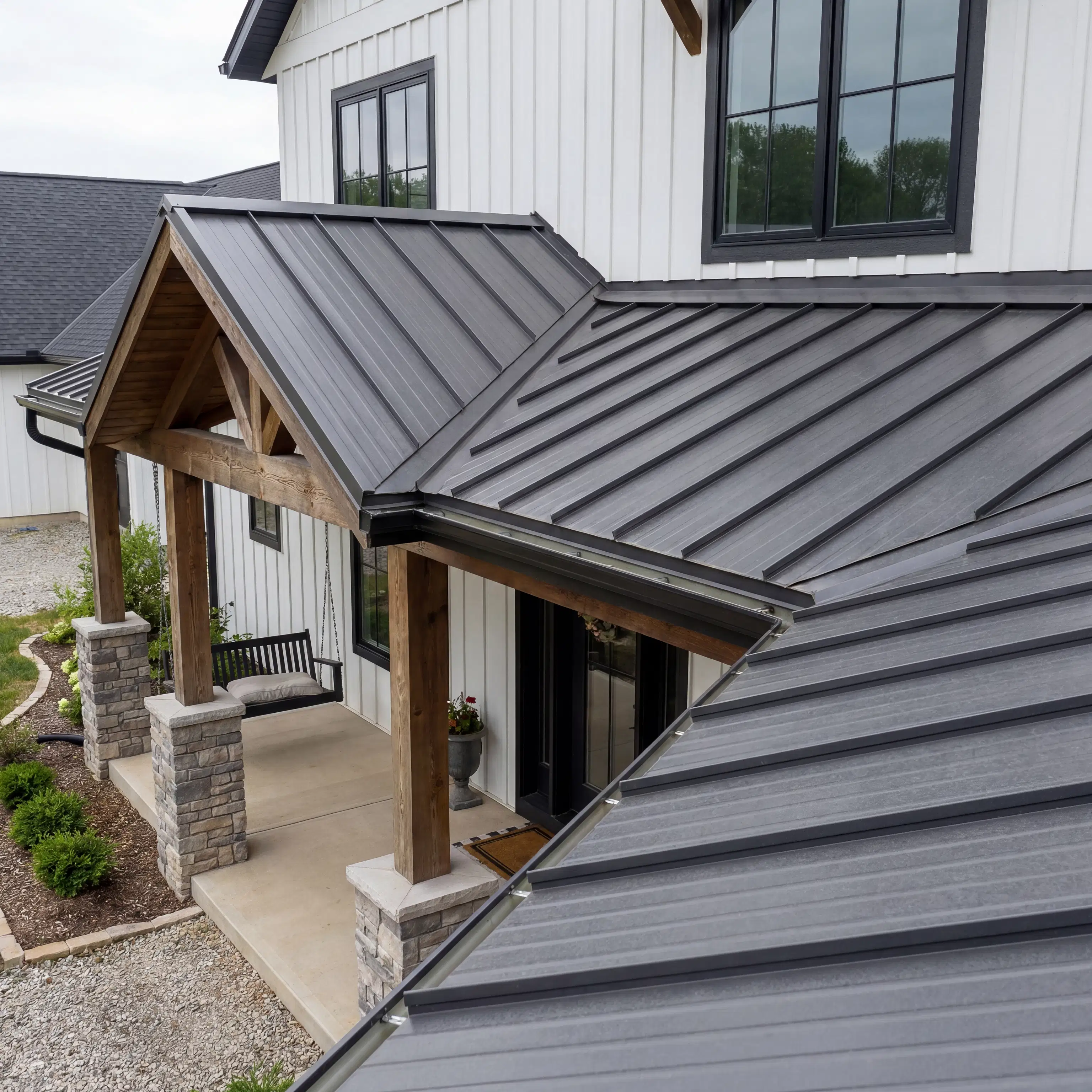
- Standing-Seam Metal: A popular choice for its durability and classic appearance, often seen in copper, lead-coated copper, or painted finishes. It’s highly resistant to our coastal climate and hurricane-force winds.
- Slate: The epitome of longevity and elegance, slate is a traditional material found on many of Charleston's grandest homes. It requires specialized installation expertise.
- Wood Shingles/Shakes: Cedar shakes offer a rustic, traditional look, but may require specific treatments and maintenance in our humid environment.
- Architectural Shingles: While standard asphalt shingles are often not approved, certain high-quality architectural shingles that mimic the texture and shadow lines of slate or wood may be considered acceptable in some contexts.
A successful roof installation or replacement hinges on choosing a material that meets these stringent aesthetic standards while also providing the modern protection your home needs against the salt air and summer storms.
The Approval and Permitting Process: A Step-by-Step Overview
Understanding the process is key to a stress-free project. While your contractor should handle the heavy lifting, knowing the steps can help you plan accordingly.
- Initial Consultation and Inspection: The journey begins with a thorough roof inspection. A qualified roofer will assess your current roof's condition, identify any structural issues, and discuss historically appropriate replacement options.
- Application to the BAR: Your contractor will prepare and submit a detailed application. This package typically includes architectural drawings, photographs of the existing conditions, product specifications, and material samples for the board to review.
- BAR Review Meeting: The application is reviewed at a public meeting. Your contractor may attend to present the project and answer any questions the board members may have. Clear communication and a well-prepared application are crucial at this stage.
- Certificate of Appropriateness: Once the project is approved, the BAR issues a Certificate of Appropriateness (COA). This document is required to obtain the necessary building permits from the city.
- Permitting and Project Start: With the COA in hand, your contractor can pull the official permits, and the work on your new roof can begin.
This process takes time, so it's important to factor it into your project timeline from the very beginning.
Avoiding Common Pitfalls
Even with the best intentions, homeowners can make missteps during a historic roofing project. Here are a few common pitfalls and how to avoid them:
- Starting Work Prematurely: Never begin any demolition or installation before receiving all final approvals and permits. Doing so can result in significant fines and orders to remove the unapproved work.
- Hiring an Inexperienced Contractor: The single biggest mistake is choosing a roofer who lacks specific experience with Charleston's historic district. An experienced contractor understands the nuances of the BAR's expectations, has established relationships with suppliers of historic materials, and knows how to prepare a successful application. They can also determine if a targeted roof repair is a viable option over a full replacement.
- Mismanaging Expectations: A historic roof replacement is not a standard job. It often takes longer due to the approval process, material lead times, and the meticulous craftsmanship required. Clear communication with your contractor will ensure you have a realistic understanding of the project's scope and timeline.
By being aware of these potential issues, you can ensure your project proceeds smoothly from start to finish, protecting both your home and your peace of mind.
Preserve Your Charleston Legacy with an Expert Partner
Replacing the roof on your historic home is a significant investment in its future and a tribute to its past. While the regulations are rigorous, they exist to protect the unique charm that makes our city so special. The key to a successful project is partnering with a roofing team that respects the architectural integrity of your home and has the proven expertise to navigate the entire approval process seamlessly.
If you own a historic property in the Charleston area, don't let regulatory uncertainty hold you back. Contact the experts at BCS Roofing for a consultation. We can provide a detailed roof inspection, discuss compliant material options, and guide you every step of the way. Let us help you protect your piece of history for generations to come.