Is the Salt Air Silently Damaging Your Roof? 5 Signs Charleston Homeowners Can't Ignore
Living in the Charleston area is a dream. The gentle sea breezes, the warm sunshine, and the unique charm of the Lowcountry are things we all cherish. But the very elements that make our coastal climate so wonderful—the salt air and persistent humidity—can be incredibly tough on our homes, especially our roofs. Over time, this constant exposure can lead to serious deterioration that isn't always obvious until it's too late.
As your first line of defense against the elements, your roof bears the brunt of this coastal wear. Understanding the subtle signs of damage is crucial for protecting your home's value and ensuring your family's safety, particularly as we approach another hurricane season. This guide will walk you through the key indicators that your roof may be succumbing to the effects of salt and humidity, helping you decide when it's time to consider a replacement.
The Invisible Attack: How Salt and Humidity Compromise Your Roof
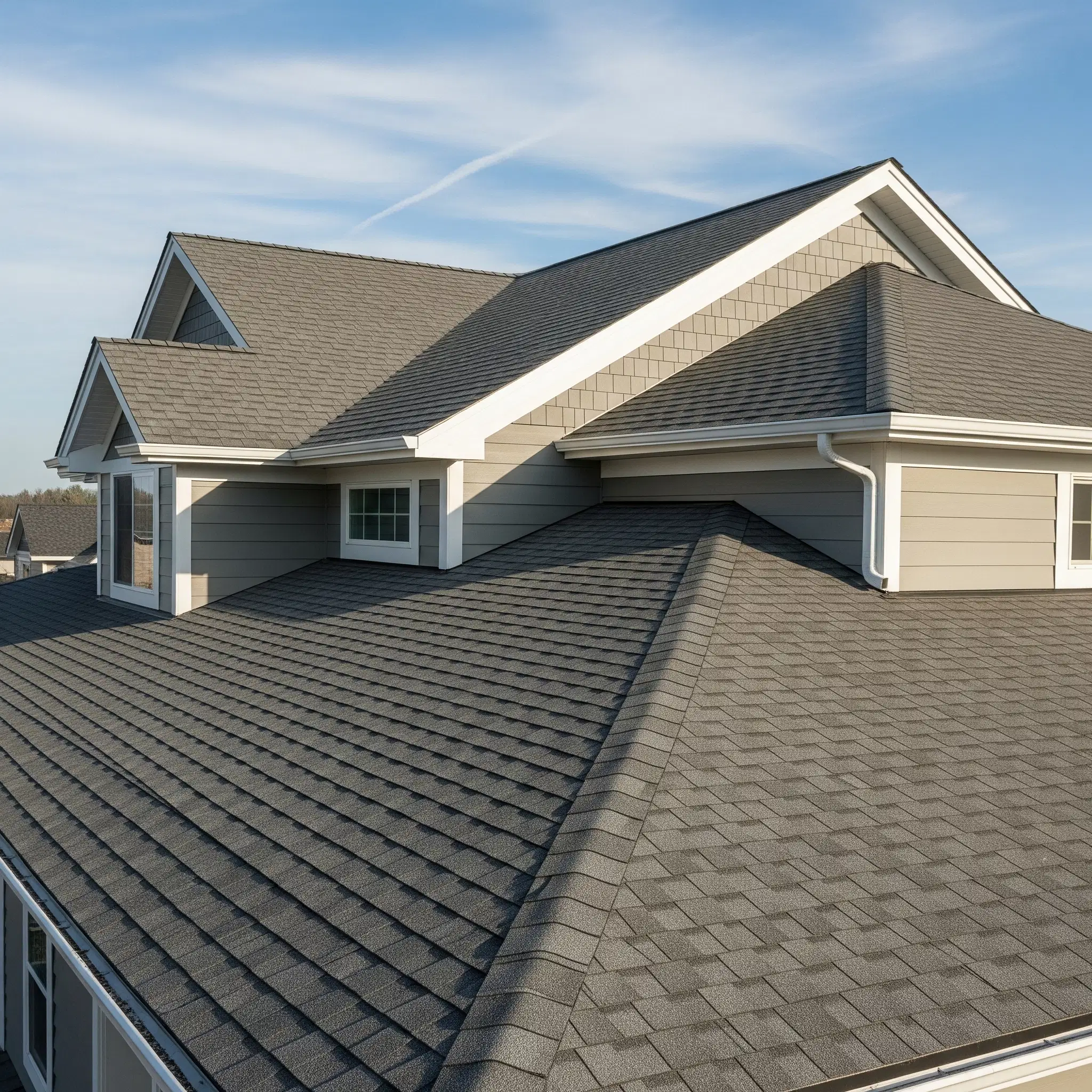
Before we look at the visible signs, it helps to understand what's happening on a microscopic level. The air here isn't just air; it's filled with tiny, abrasive salt particles. When this salty moisture settles on your roof, it begins a slow but relentless process of corrosion, particularly on metal components like flashing, nails, and gutters. This corrosion weakens critical connection points and can create pathways for water to seep in.
At the same time, the high humidity of our coastal climate creates the perfect environment for moisture to become trapped. For asphalt shingles, this can accelerate the breakdown of their protective layers. For the underlying wood decking, it can lead to rot and decay, compromising the structural integrity of your entire roofing system. This combination of corrosion and moisture is a powerful force that requires durable materials and expert installation to combat effectively.
Telltale Signs of Coastal Roof Damage
Catching problems early can save you from costly interior repairs down the road. Grab a pair of binoculars and take a safe look from the ground, or schedule a professional roof inspection to check for these five key warning signs:
-
Rust and Corrosion on Metal Surfaces: This is one of the most direct signs of salt air damage. Carefully inspect your roof's flashing (the metal strips around chimneys, vents, and skylights), as well as any visible nail heads or valleys. If you see rust streaks or significant corrosion, it means these crucial water barriers are failing and your roof is vulnerable to leaks.
-
Significant Granule Loss: The sandpaper-like granules on asphalt shingles are their primary shield against UV rays and weather. Salt air can weaken the adhesive that holds them in place. Look for bare, dark patches on your shingles or an excessive amount of these granules collecting in your gutters. This “balding” is a clear sign the shingles are nearing the end of their effective life.
-
Curling, Cracking, or Brittle Shingles: The intense South Carolina sun, combined with constant moisture, can cause shingles to lose their flexibility. They may start to curl at the edges, develop cracks, or become brittle. A curled shingle is easily caught by high winds, making your home much more susceptible to damage during a tropical storm.
-
Dark Streaks or Algae Growth: Have you noticed ugly black streaks on your roof? That's often a type of algae called Gloeocapsa magma, which thrives in our humid environment. While it may seem like a cosmetic issue, this algae feeds on the limestone filler in older asphalt shingles, slowly breaking them down and shortening their lifespan.
-
Evidence of Leaks in the Attic: The most urgent sign is evidence of water intrusion. On a sunny day, safely check your attic for water stains on the underside of the roof deck, damp or moldy insulation, or beams of light shining through. Any of these indicate an active leak that needs immediate attention.
When a Roof Replacement is the Smartest Investment
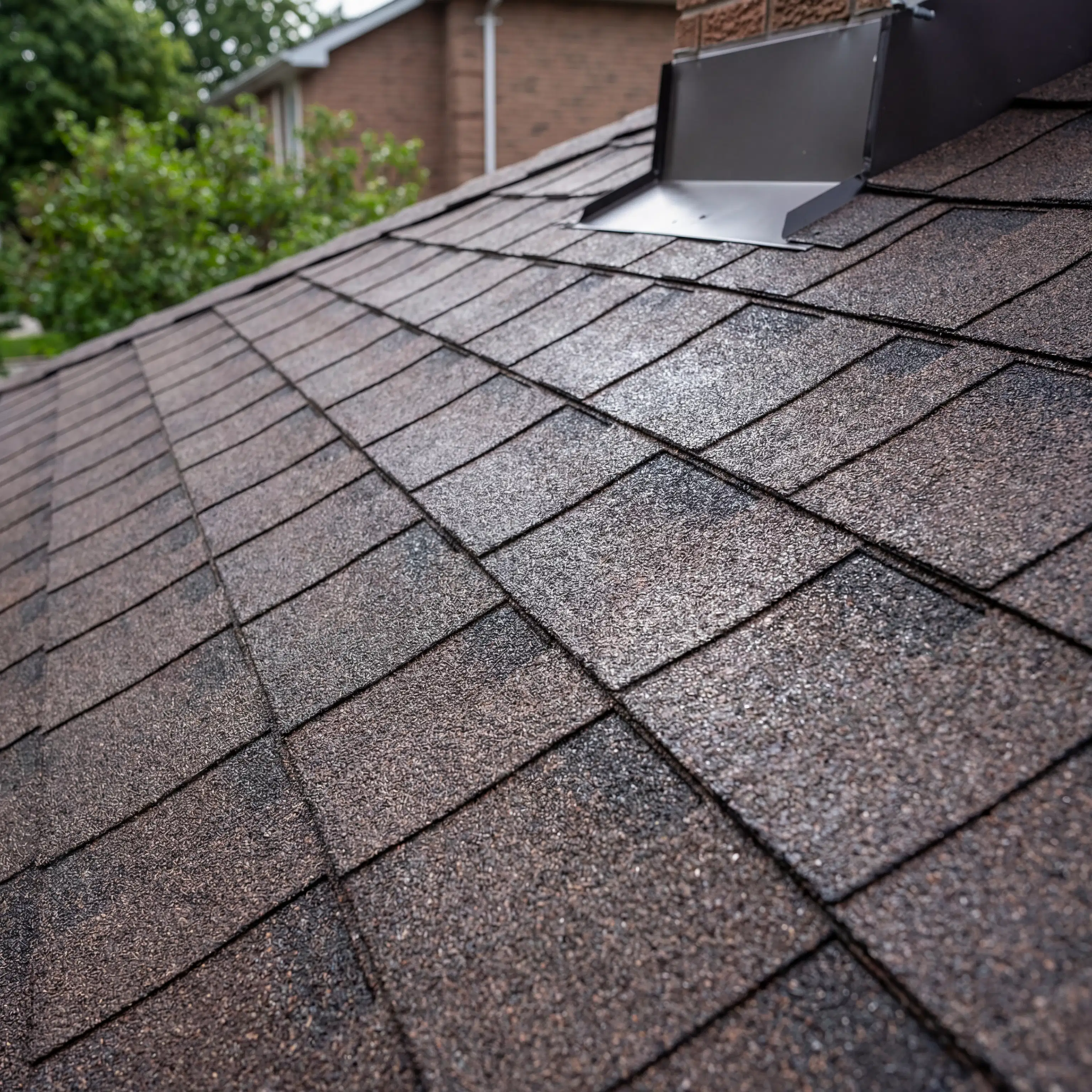
While minor issues can sometimes be repaired, widespread damage from our coastal climate often means the entire roofing system is compromised. If you're seeing multiple signs from the list above, or if your roof is over 15-20 years old, a full roof replacement is often the most cost-effective and secure solution.
Investing in a new roof isn't just about fixing problems; it's about upgrading your home's protection. Modern roofing materials are engineered with advanced durability to better withstand salt corrosion, high winds, and humidity. A new, professionally installed roof provides peace of mind, enhances your home's curb appeal, and can even improve energy efficiency, saving you money in the long run. It's a proactive step to ensure your home is ready for whatever the next hurricane season brings.
Protect Your Home with Proactive Care
Don't wait for a small issue to become a major headache. The unique challenges of the Lowcountry environment mean our roofs require a little extra attention. Regular inspections and a solid roof maintenance plan can extend the life of your roof and identify potential problems before they lead to significant damage.
If you've noticed any of the signs we've discussed or simply want an expert opinion on the health of your roof, the team at BCS Roofing is here to help. We specialize in providing durable, high-quality roofing solutions designed specifically for the demands of the Charleston climate. We pride ourselves on excellent value, timely project completion, and superior customer service.
Ready to ensure your roof is protecting your home as it should? Contact us today to schedule a free, no-obligation inspection and get the peace of mind you deserve.