Maximizing Protection and Savings: Upgrading to a Fortified Roof in the Lowcountry
Living in Charleston brings incredible benefits, from our beautiful coastal landscapes to our rich history and vibrant culture. However, calling this beautiful area home also means accepting the reality of the Atlantic hurricane season. As severe weather events become more frequent and unpredictable, homeowners across the Holy City are constantly looking for the best ways to protect their properties.
One of the most effective strategies gaining traction is upgrading to a fortified roofing system. Not only does this provide unparalleled peace of mind when the wind starts howling, but it also offers a fantastic financial incentive. By taking the right steps, you can secure substantial wind mitigation roofing insurance discounts that help offset the cost of your investment over time.
In this guide, we will walk you through exactly what a fortified roof is, how it differs from a standard installation, and why making this upgrade is one of the smartest financial decisions you can make for your home.
What Makes a Roof Truly Fortified?
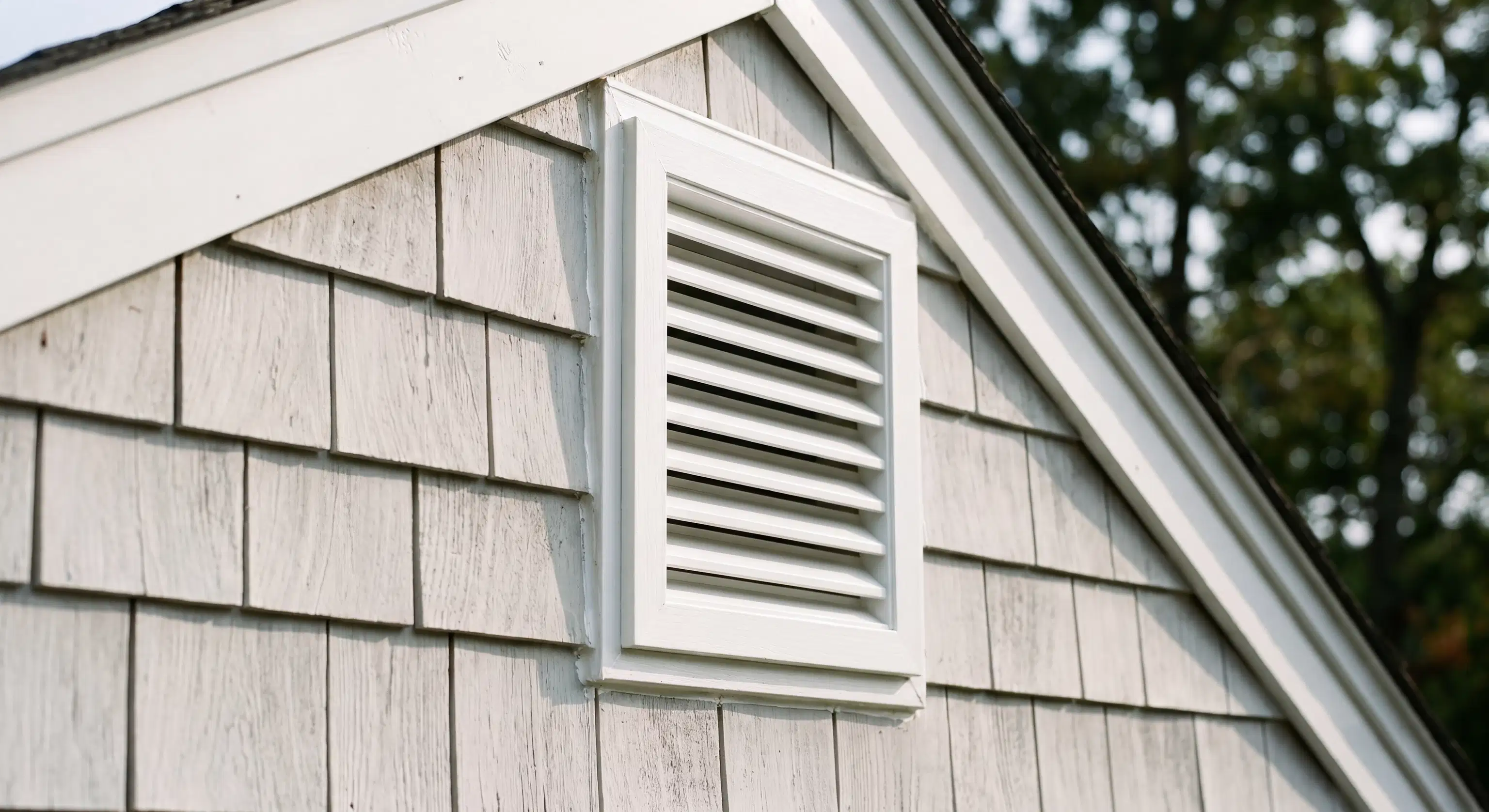
When we talk about a fortified roof, we are referring to a set of building standards designed specifically to strengthen your home against severe weather, particularly high winds and heavy rain. While standard building codes provide a baseline level of safety, fortified standards go several steps further.
So, what exactly are the fortified roof installation requirements? The process focuses on three main areas of defense:
First, it requires reinforcing the roof deck attachment. Instead of standard nailing patterns, a fortified system uses specialized ring-shank nails driven closer together. This significantly increases the uplift resistance, keeping your roof deck firmly attached to your home even during hurricane-force gusts.
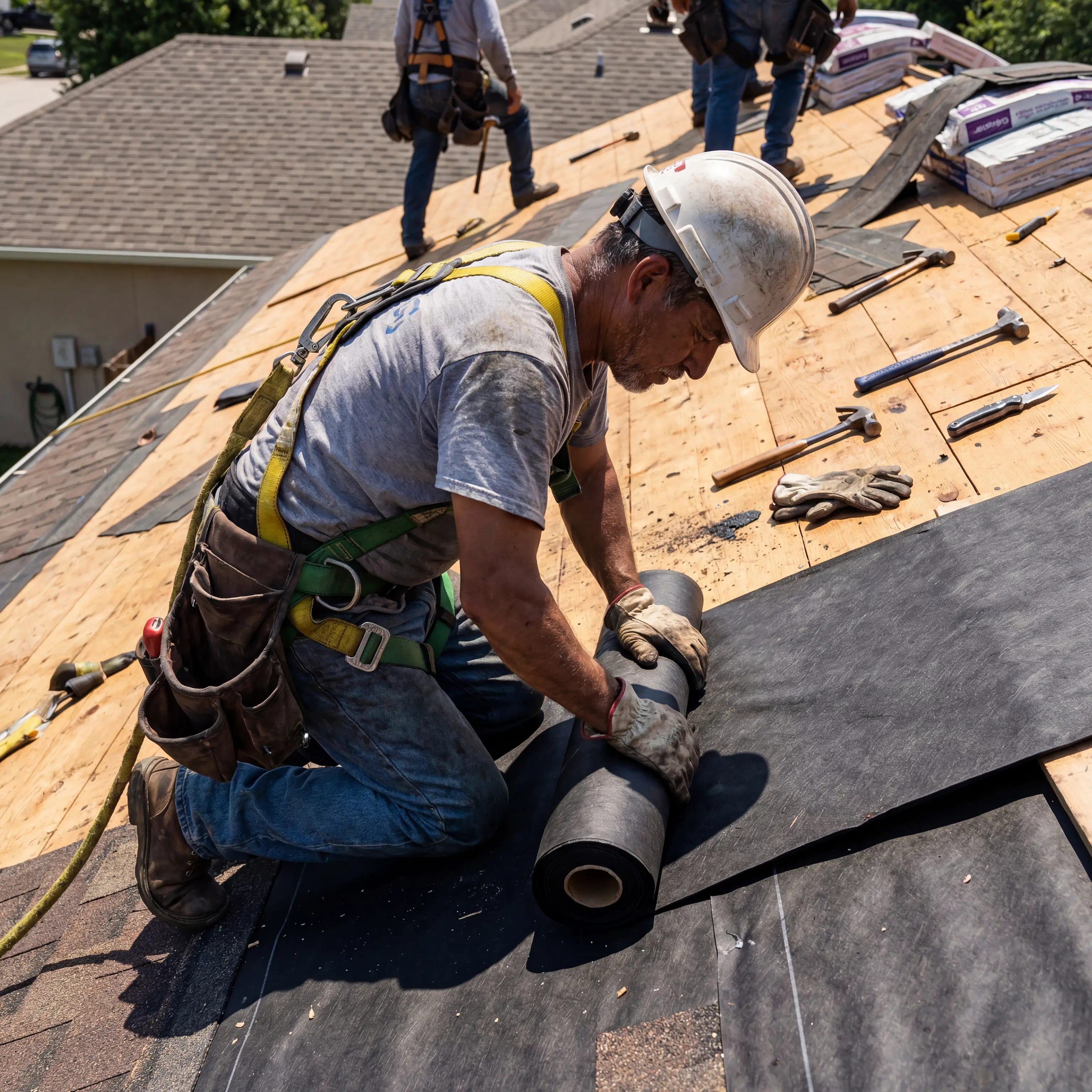
Second, it involves sealing the roof deck. If high winds do manage to tear away your shingles, a standard roof deck is left completely exposed to the rain, leading to catastrophic water damage inside the home. A fortified system utilizes a specialized waterproof membrane directly over the wood decking, providing a secondary water barrier that keeps your interior dry.
Finally, it demands high-wind-rated edge materials and premium shingles. The edges of your roof are the most vulnerable to wind uplift. Upgrading the starter strips and edge metals ensures that the wind cannot get underneath your roofing materials to peel them back.
Navigating the Certification and Insurance Benefits
Understanding the physical upgrades is only half the equation; the other half is understanding the financial return. To get those coveted insurance premium reductions, you must go through the process of qualifying for fortified roof certification. This is not something that can be retroactively applied to an older roof; it must be documented and inspected during a completely new roof installation.
Insurance companies love fortified roofs because they drastically reduce the likelihood of major claims following a coastal storm. Because the risk is lower for them, they pass those savings on to you. In South Carolina, these discounts can be quite substantial, often saving homeowners a significant percentage on their annual wind and hail premiums.
To achieve this certification, an independent evaluator must document the construction process to prove that all rigorous standards were met. This means you need a roofing contractor who is deeply familiar with these specific requirements and works seamlessly with third-party inspectors. Whether you live in a newer development out in East Cooper or an established neighborhood in West Ashley, ensuring your upcoming roof replacement meets these standards is an investment that pays dividends year after year.
It is also a powerful way to distinguish genuine local experts from the out-of-state storm chasers who tend to flood the market after a weather event. A local contractor understands our specific coastal building codes and the exact documentation your insurance provider will request.
Creating a Complete Defense System
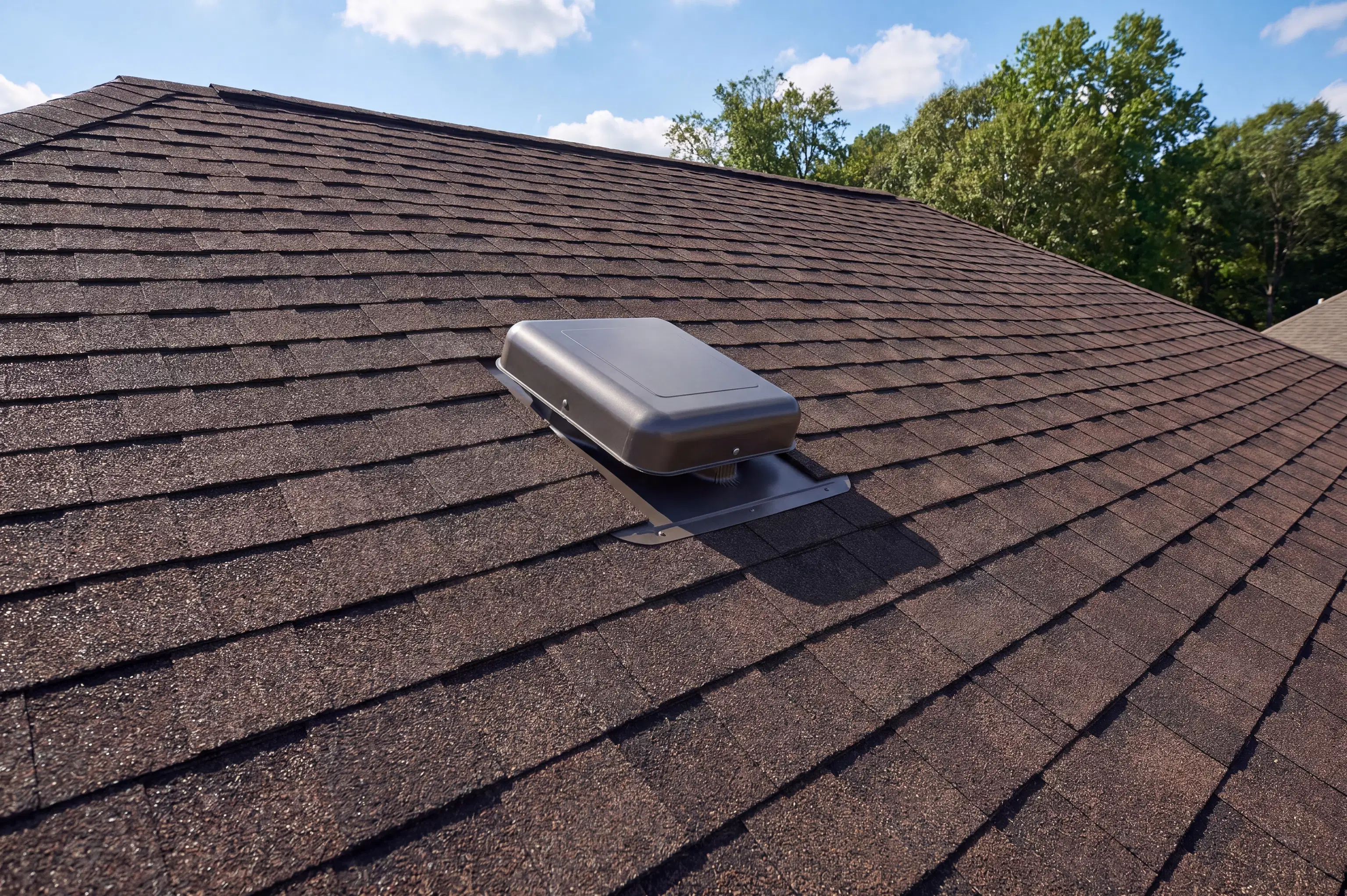
While the shingles, underlayment, and deck attachments are the stars of the show, a truly resilient home requires a holistic approach to weatherproofing. High winds and torrential downpours stress every part of your home's exterior.
For instance, if your roof effectively sheds water but your gutters are clogged, detached, or improperly sized, that massive volume of water will spill over and pool around your foundation. This can lead to structural issues and erosion that a strong roof alone cannot fix. Incorporating professional gutter installation & repair into your exterior upgrades ensures that the heavy rains typical of our summer thunderstorms are safely directed away from your property.
At BCS Roofing, we pride ourselves on delivering superior customer service, completing projects in a timely manner, and providing excellent value for your investment. We know exactly what it takes to protect homes in this unique climate. If you are considering a roof upgrade and want to explore how a fortified system can secure your home and lower your insurance premiums, our team is ready to help. Contact us today to schedule a consultation and take the first step toward a safer, more resilient home in Charleston.