Optimizing Attic Ventilation During Roof Replacement
Living in the Lowcountry means accepting a few undeniable truths: the sweet tea is always cold, the hospitality is warm, and the summer humidity is absolutely relentless. While you are probably focused on keeping your living areas cool and comfortable, there is an invisible battle happening right above your head. Your attic takes the brunt of this extreme climate, and without the right airflow, it can quietly compromise the structural integrity of your home.
At BCS Roofing, we frequently speak with Charleston homeowners who are surprised to learn that a successful roof upgrade is about much more than just nailing down new shingles. One of the most critical, yet frequently overlooked, components of a durable roofing system is proper airflow. Whether you are dealing with storm damage or simply upgrading an aging system, optimizing your attic ventilation during a roof replacement is essential for protecting your investment, lowering your utility bills, and keeping your home safe.
The Hidden Dangers of Poor Airflow
When the sun beats down on your home during a typical humid afternoon, attic temperatures can easily soar well above 130 degrees. If that blistering air has nowhere to escape, it bakes your roofing materials from the inside out. Over time, you might start noticing signs of trapped attic heat damaging shingles, such as curling edges, blistering surfaces, or premature granule loss.
Beyond the heat, moisture is an equally destructive force. Without proper exhaust and intake, daily activities like cooking and showering send warm, moist air into the attic, where it condensates. Preventing moisture buildup in roof decking is crucial because damp wood can quickly lead to mold growth, wood rot, and a weakened roof structure. This is why incorporating comprehensive roof maintenance and regular check-ups can save you from unexpected, costly repairs down the line.
Achieving the Perfect Balance: Intake and Exhaust
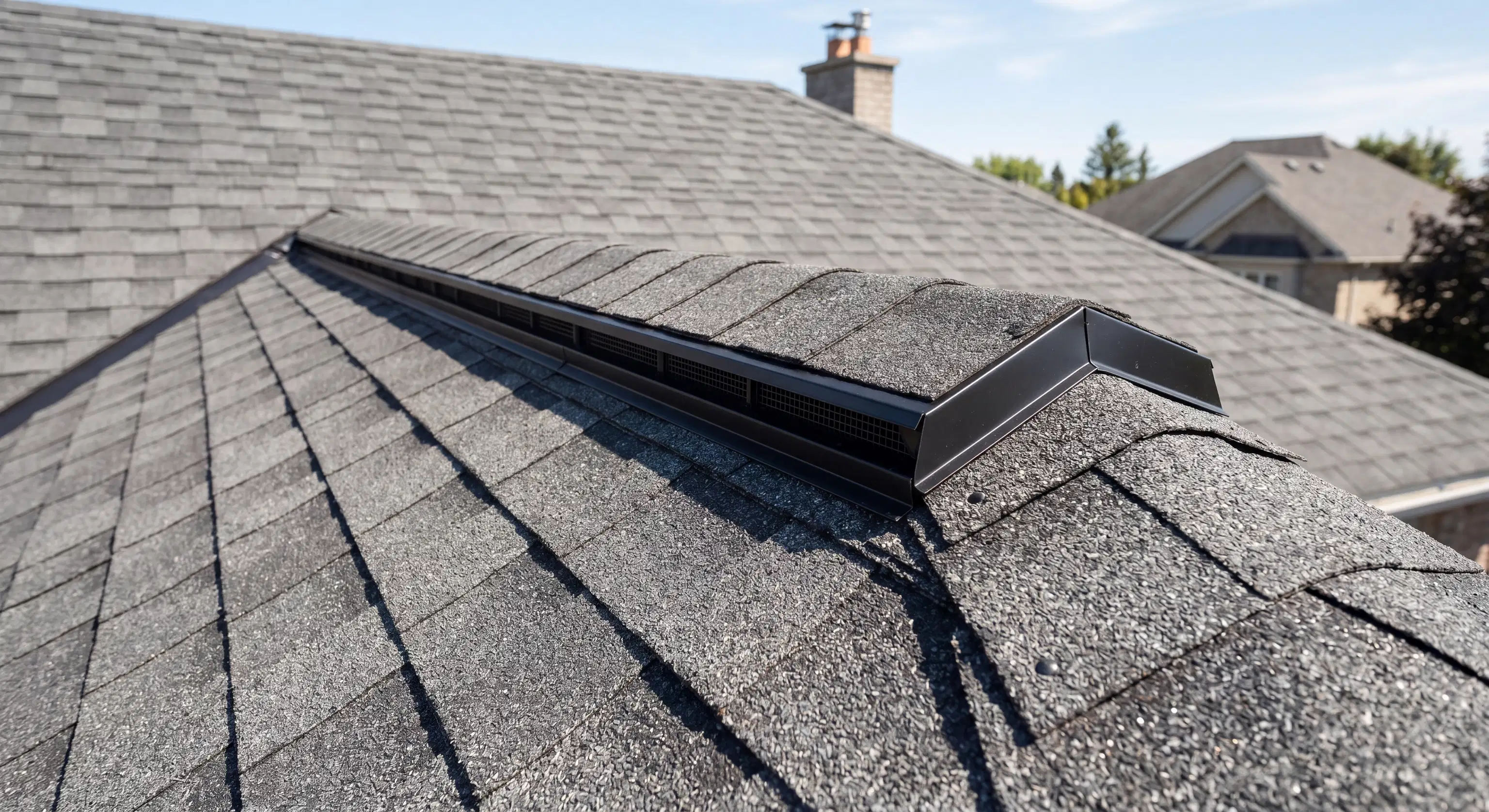
A common misconception is that adding a few vents to the top of the roof is enough to solve heat issues. However, effective ventilation requires a balanced system that allows fresh air to enter at the lowest point of the roof and hot air to exit at the highest point.
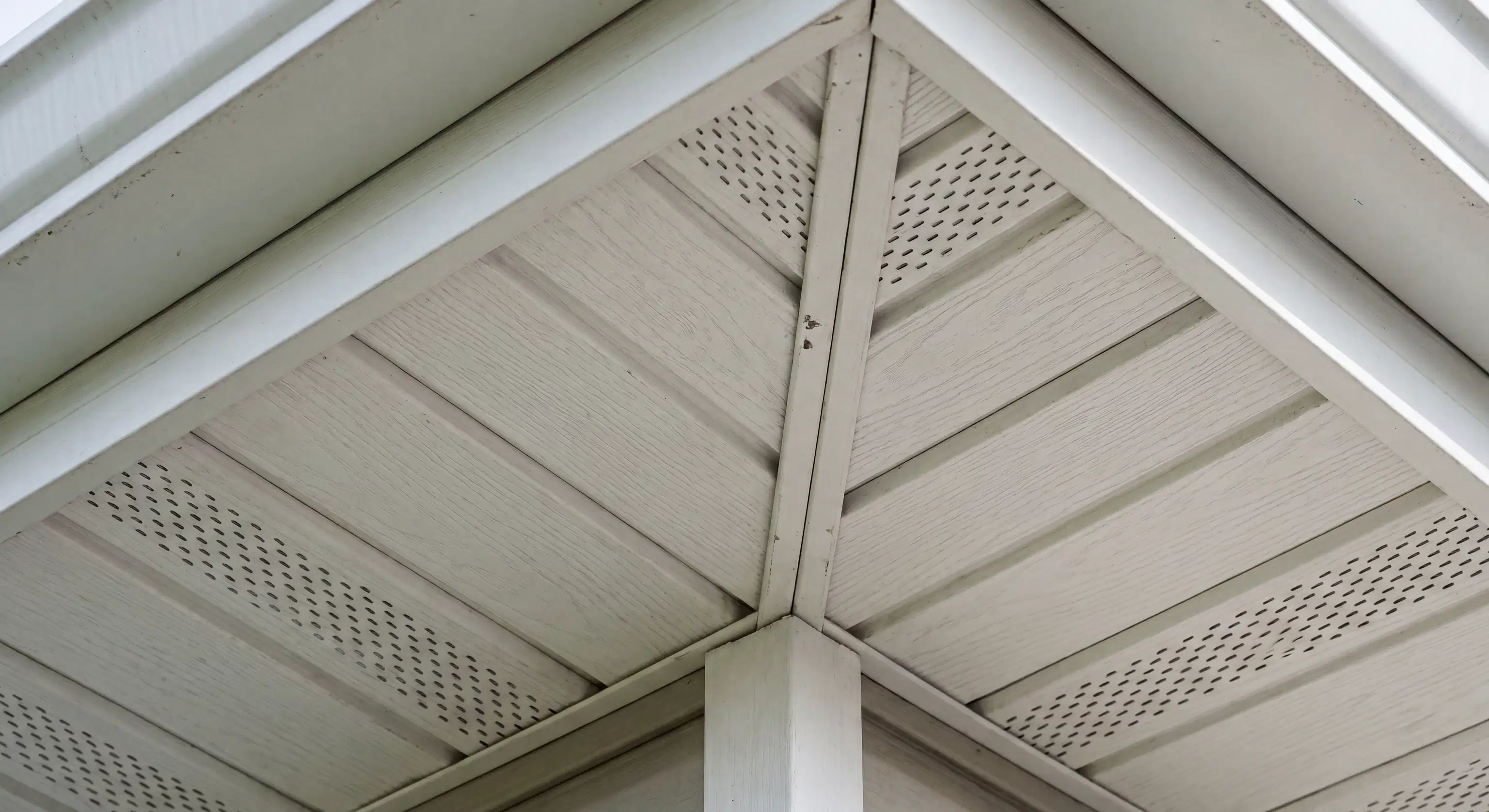
We spend a lot of time educating our clients on ridge vent vs soffit intake ventilation efficiency. Soffit vents, located under the eaves, draw in cooler outside air. As that air warms and rises, it escapes through the ridge vents installed along the peak of your roof. If this ratio is unbalanced—for instance, if you have plenty of exhaust but blocked soffit vents—the system will not circulate air properly. When we map out a roof installation, our team carefully assesses your existing architecture, whether you live in a classic Charleston Single or a modern suburban build, to ensure the airflow physics work perfectly in your favor.
Precision and Technology in Ventilation Design
Calculating proper attic ventilation for roof replacement is not a guessing game; it requires precise mathematical ratios based on your attic's square footage and the slope of your roof. Fortunately, modern technology has made this process incredibly accurate. We utilize advanced drone inspections to map out your roof's dimensions safely and swiftly, allowing us to calculate the exact net free area (NFA) required for optimal airflow.
We know that navigating home improvement projects can be stressful, especially when trying to avoid the out-of-state contractors who flood the area after summer storms. Our focus is always on providing excellent value for your investment, completing projects in a timely manner, and delivering superior customer service. By integrating modern diagnostic tools with our deep understanding of the coastal climate, we ensure your new system is engineered to last.
Long-Term Benefits for Coastal Homes
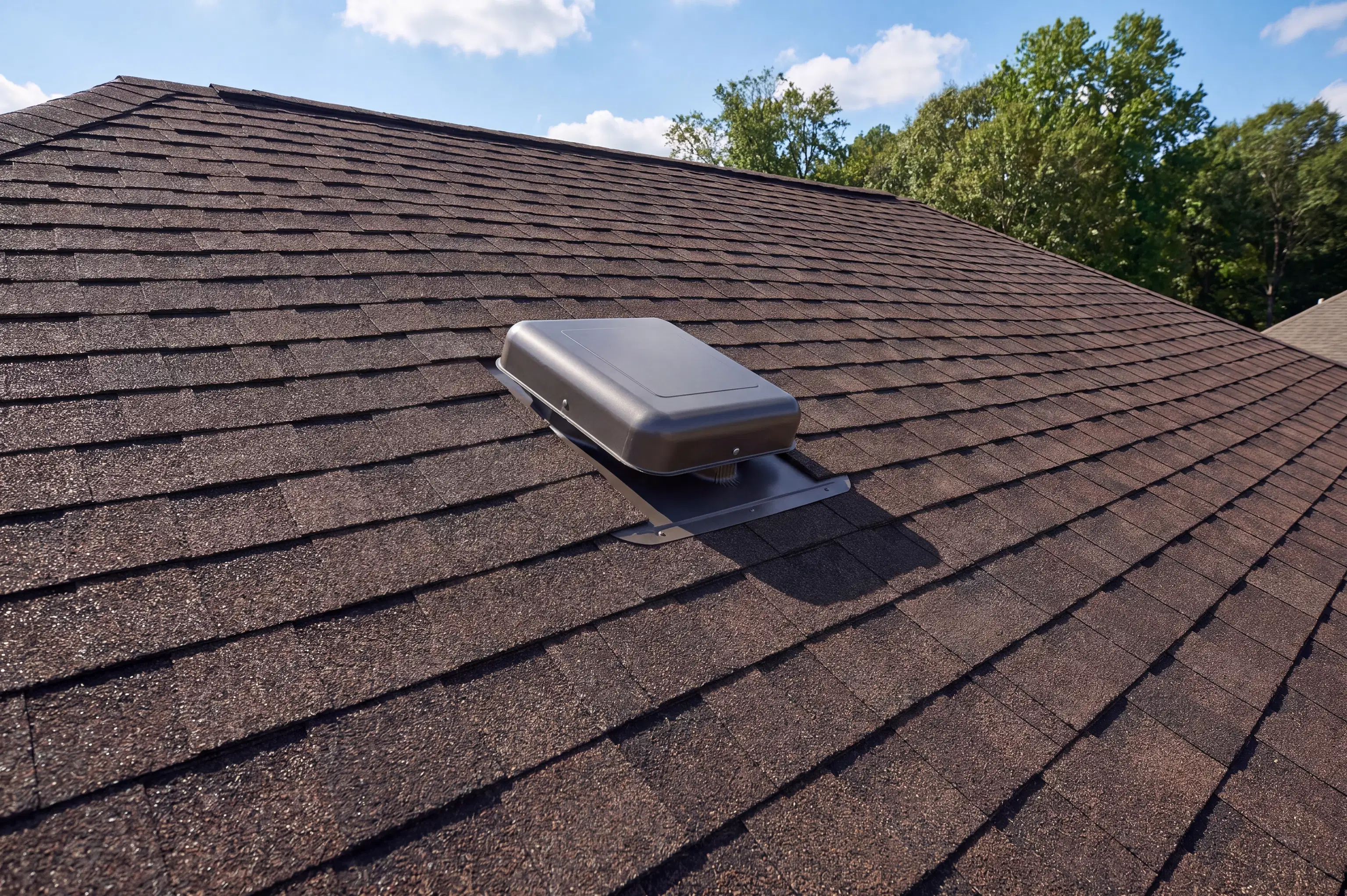
Proper ventilation does more than just extend the life of your shingles. It also plays a massive role in your home's energy efficiency. When your attic can breathe, your HVAC system does not have to work nearly as hard to cool your living spaces. This is especially vital when dealing with the heavy, corrosive salt air that blankets our coastal communities; a well-ventilated system helps prevent condensation that can rust exposed nails and metal components from the inside.
Ultimately, upgrading your ventilation system at the same time as your roof replacement is one of the smartest financial decisions you can make. It protects your manufacturer warranties, enhances your indoor comfort, and fortifies your home against our unique local weather challenges.
If you are ready to improve your home's energy efficiency and structural resilience, we are here to help. Contact BCS Roofing today to schedule a consultation and learn more about how we can build a roofing system that truly protects your Holy City home.