The Unseen Threat: How Salt Air Accelerates Roof Wear in the Lowcountry
Living in Charleston means enjoying beautiful coastal views, historic charm, and warm sea breezes. But that same delightful sea breeze carries an invisible threat to your home's most important protector: your roof. The salty, humid air that defines our Lowcountry climate is constantly working against your roofing materials, accelerating wear and tear in ways that homeowners in other regions don't have to consider. Understanding how this coastal corrosion happens is the first step toward protecting your investment and ensuring your home stays safe and dry for years to come. This guide will break down how salt air damages your roof, what warning signs to look for, and how you can fight back with the right materials and maintenance.
The Science Behind Salt Air Damage
The term "salt air" refers to microscopic particles of salt and moisture carried inland from the ocean. When this corrosive mixture settles on your roof, it creates the perfect environment for deterioration. Metal components are often the first victims. The salt acts as a catalyst, speeding up the oxidation (rusting) process on steel nails, screws, valleys, and flashing. What might take decades to rust in a dry climate can happen in just a few years here.
But it's not just the metal. Asphalt shingles also suffer. The constant presence of salt and moisture can slowly break down the shingle's composition. It can cause the protective granules to loosen and wash away, leaving the underlying asphalt layer exposed to harsh UV rays. This exposure makes the shingles brittle, prone to cracking, and less effective at repelling water. Over time, this silent, steady assault compromises your entire roofing system, turning a small issue into a significant vulnerability, especially when hurricane season arrives.
Key Warning Signs of Coastal Roof Corrosion
Catching salt air damage early can save you from costly repairs or a premature replacement. A regular visual check from the ground can reveal a lot. Here are some of the most common signs that the coastal climate is taking a toll on your roof:
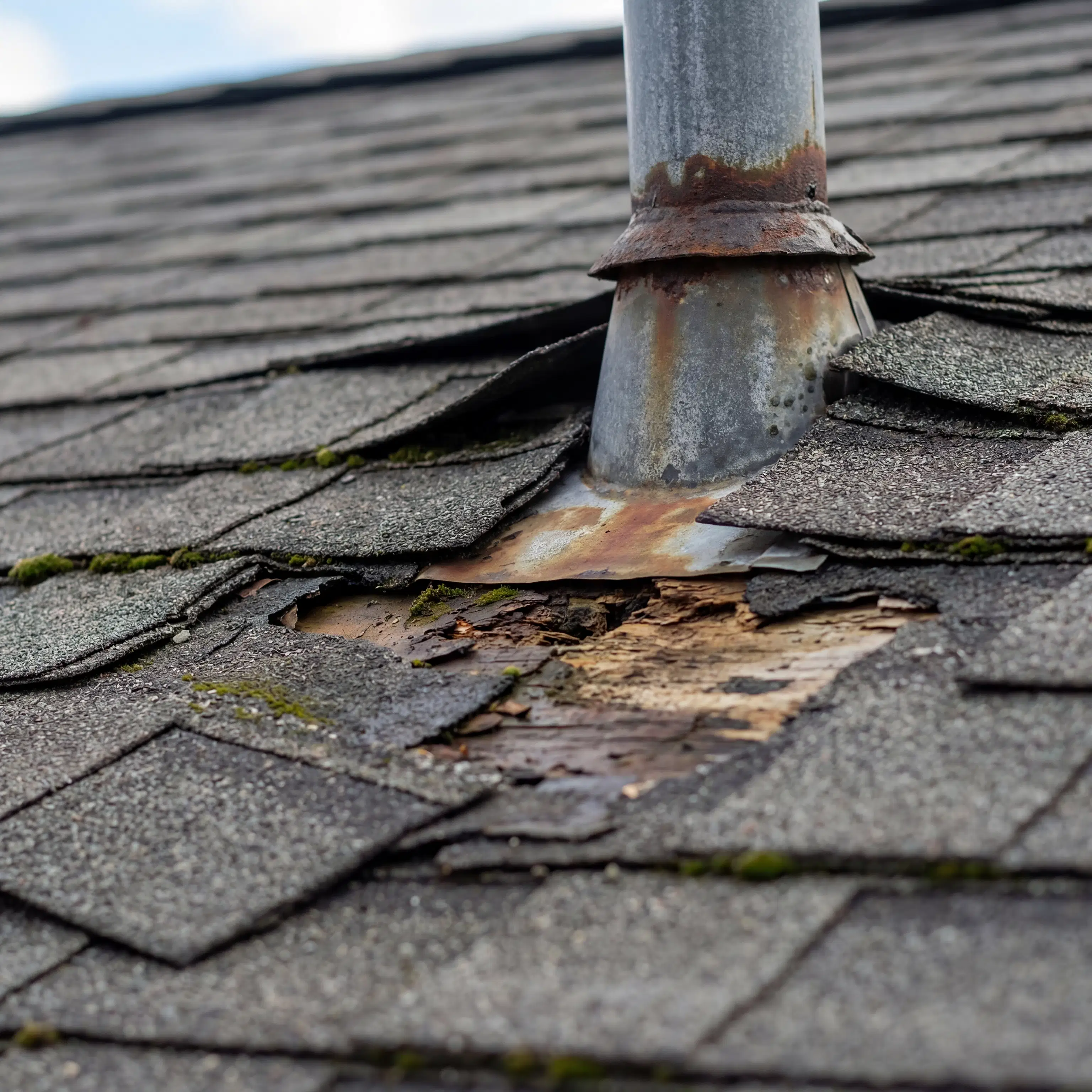
- Rust Stains: Look for reddish-brown streaks on your shingles, particularly around flashing, vents, and nail heads. This is a clear indicator that the metal components are corroding and washing down your roof.
- Excessive Granule Loss: Are you noticing a lot of black, sand-like particles in your gutters or on the ground near your downspouts? These are the protective granules from your asphalt shingles. While some loss is normal, a significant accumulation means your shingles are weakening.
- Curling or Brittle Shingles: If the edges of your shingles are starting to curl up or they appear dry and cracked, it's a sign they've lost their flexibility and are no longer sealing properly. This makes them highly susceptible to wind uplift during a storm.
- Chalky Residue: In some cases, you might see a white, powdery film on your roofing materials. These are salt deposits left behind after moisture evaporates, and their presence indicates a constant corrosive attack.
Choosing Materials Built for the Lowcountry Climate
Since we can't change the air, the best defense is choosing roofing materials designed to withstand it. Fortunately, modern roofing technology offers excellent solutions for coastal environments. While standard asphalt shingles are a common choice, opting for high-quality architectural shingles with algae-resistant coatings and robust granule adhesion provides a significant upgrade in durability.
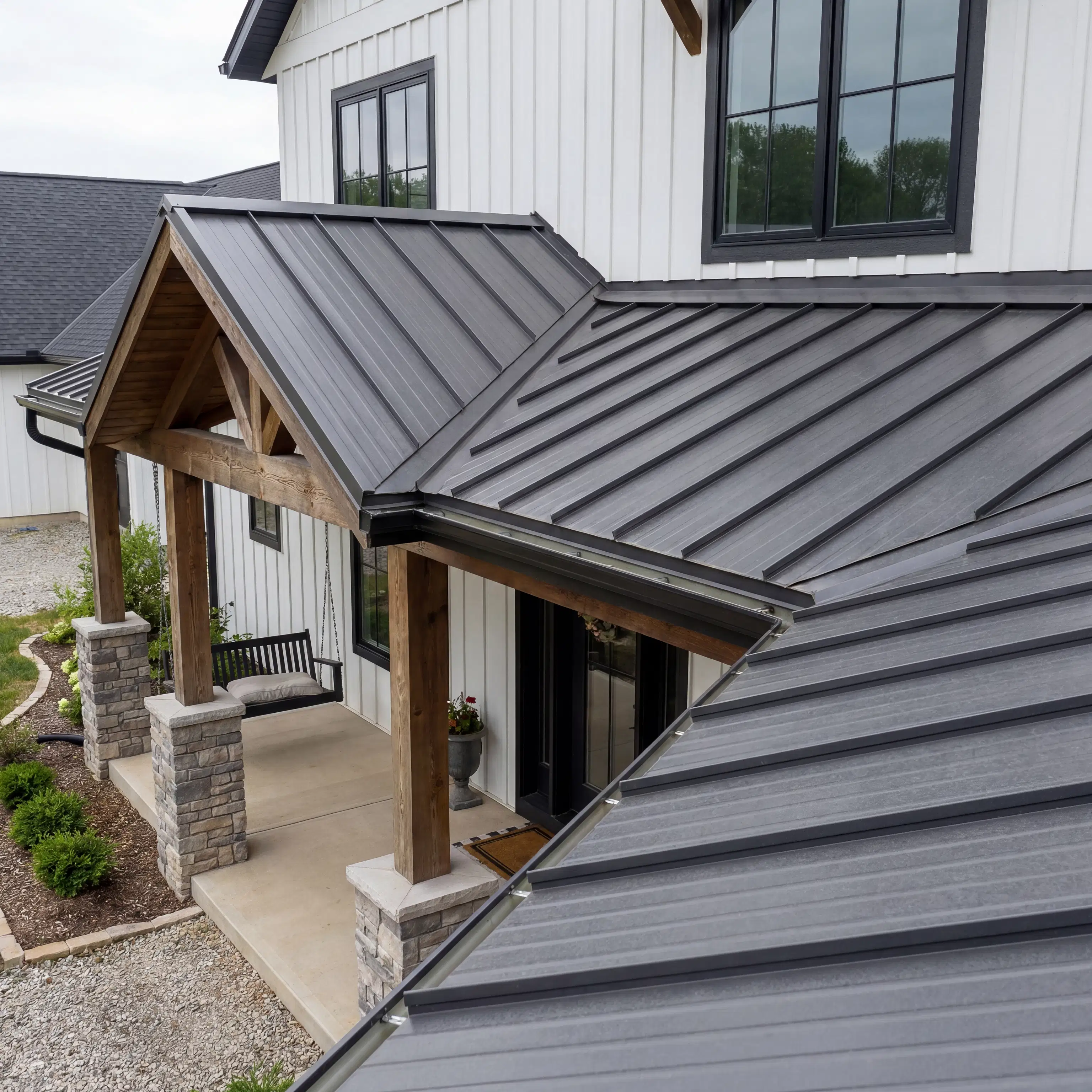
For the ultimate long-term protection, many homeowners are turning to metal roofing. Materials like aluminum and galvalume-coated steel are inherently resistant to rust. When finished with specialized paint systems designed for coastal applications, they can stand up to salt spray for decades with minimal maintenance. While the initial investment may be higher, the longevity and peace of mind often make it the most cost-effective choice for protecting a home against our unique climate challenges. A professional can help you weigh the pros and cons to find the perfect fit for your home's style and budget.
Protect Your Investment with Proactive Maintenance
Your roof is one of your home's most significant assets, and in a coastal area, you can't afford a "set it and forget it" approach. The most effective way to combat the effects of salt air is through consistent, proactive care. A professional roof maintenance plan is designed to identify and address the early signs of corrosion and wear before they escalate into leaks or structural damage.
Regular roof inspections allow a trained expert to spot issues like rusted fasteners, compromised seals around vents, and early granule loss that are easily missed from the ground. This preventative approach not only extends the life of your current roof but also provides invaluable peace of mind, knowing your home is secure. If your roof is already showing significant signs of wear, a timely roof replacement with corrosion-resistant materials is the best way to ensure long-term protection.
Don't let the beautiful Charleston salt air silently compromise your home. If you've noticed any of the warning signs or want to learn more about protecting your roof, contact the experts at BCS Roofing today. We can provide a thorough inspection and help you create a plan to keep your roof strong and secure for years to come.