
Troubleshooting Roof Flashing Leaks During Storms
Living in Charleston means enjoying beautiful coastal views, but it also means preparing your home for sudden summer thunderstorms and the inevitable hurricane season. When heavy rains and high winds hit the Lowcountry, your home's exterior is put to the ultimate test. While many homeowners worry about missing shingles, one of the most common yet overlooked culprits of water damage is roof flashing.
Flashing is the protective barrier that keeps water from seeping into the most vulnerable parts of your roof. When it fails during a severe weather event, the resulting leaks can cause significant damage to your attic, ceilings, and walls. Understanding how this system works, how to spot trouble, and when to call a professional for a comprehensive roof inspection can save you thousands of dollars in repairs and protect your family's investment.
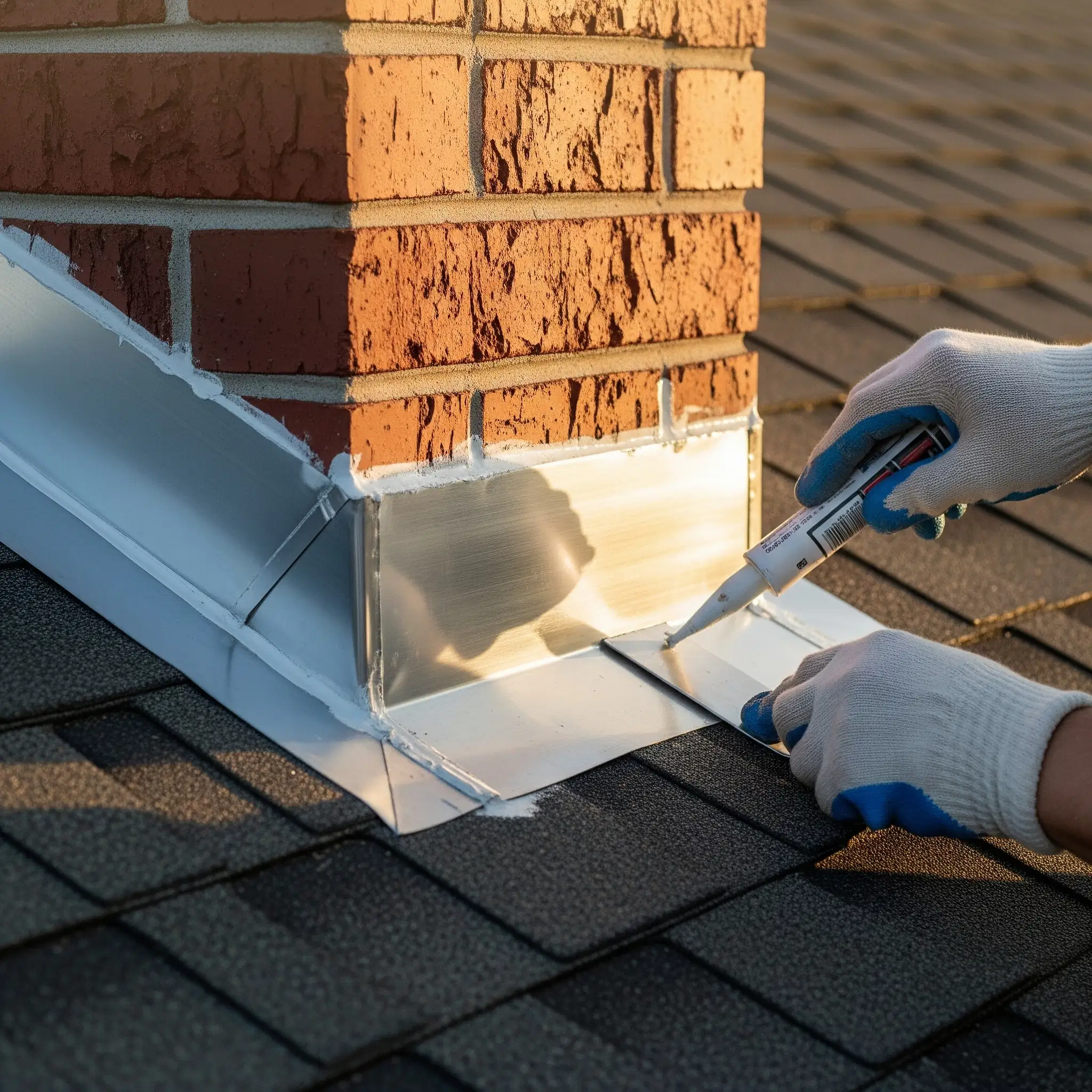
What is Roof Flashing and Why Does It Leak?
Roof flashing consists of thin metal pieces—often made of aluminum, copper, or galvanized steel—installed at structural intersections and joints. You will typically find flashing around chimneys, skylights, vent pipes, and the valleys where two roof slopes meet. Its primary job is to direct water away from these seams and down toward your gutters.
Several factors can cause these protective barriers to fail, especially in our coastal climate. The constant exposure to salt air can accelerate corrosion on certain types of metal, weakening the flashing over time. Additionally, the intense heat and humidity of a typical Southern summer can cause the roofing materials surrounding the flashing to expand and contract, eventually breaking the watertight seal.
When a severe thunderstorm or tropical system rolls through, wind-driven rain is pushed sideways, testing every seam and joint on your roof. If the sealant has dried out, or if the metal has been lifted by previous high winds, water will easily find its way underneath. This is why preventing water intrusion around roof penetrations should be a top priority for any proactive homeowner. Catching minor wear and tear before the storm clouds gather is the best way to prevent a minor issue from becoming a major headache.

Identifying Damaged Flashing After a Storm
Once it is safe to step outside after a severe storm, conducting a visual assessment of your property is a wise move. Identifying damaged roof flashing after storms doesn't necessarily mean you need to climb a ladder—in fact, for safety reasons, you should leave the climbing to the professionals. However, there are several signs you can look for from the ground and inside your home.
Start by checking your ceilings and interior walls for any new water spots or discoloration. Leaks that originate from damaged flashing often present as damp patches near the chimney, around skylights, or in the corners of upper-level rooms. If you have access to your attic, take a flashlight and look for dark stains on the wood decking or damp insulation, which are clear indicators that water has breached the exterior.
From the ground outside, use a pair of binoculars to inspect the roofline. Look for metal pieces that appear bent, lifted, or entirely missing around vents and roof valleys. You might also notice rusted metal or cracked caulking where the flashing meets the brick of a chimney. If you spot any of these warning signs, it is time to schedule a professional roof repair. Addressing these vulnerabilities quickly prevents structural rot and stops toxic mold from taking hold in your humid attic space.
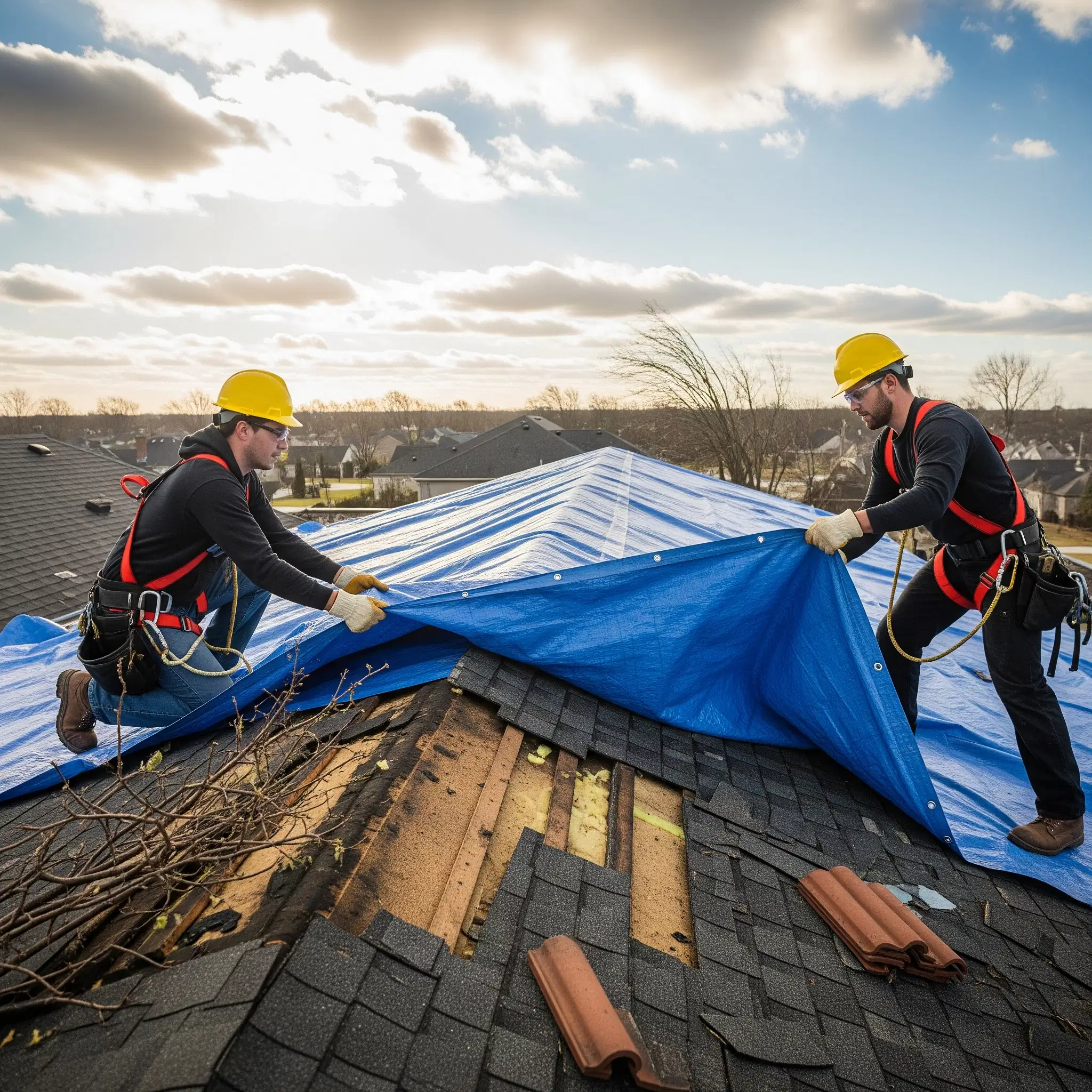
Emergency Steps to Take When You Spot a Leak
Discovering a leak during a heavy downpour is stressful, but taking immediate action can minimize the damage to your interior. First, protect your belongings by moving furniture away from the drip and placing a bucket underneath to catch the water. Lay down towels to absorb any splashing. If the ceiling drywall begins to bulge with pooled water, carefully poke a small hole in the center with a screwdriver to let it drain into the bucket; this prevents the ceiling from collapsing under the weight.
Once the situation inside is contained, you need to secure the exterior. This is where emergency roof leak repair and tarping become essential. A properly secured tarp acts as a temporary, waterproof bandage that covers the compromised flashing until permanent repairs can be made. Because climbing a wet, slippery roof during or immediately after a storm is highly dangerous, you should rely on experienced professionals to handle this step.
It is also important to be cautious of out-of-state storm chasers who flood the area after severe weather events. These individuals often promise quick, cheap fixes but leave town before their subpar work inevitably fails. Always choose a reputable, local contractor who understands our building codes and will be around to honor their warranties long after the storm has passed. For immediate assistance, reach out for our emergency roof services to ensure your property is protected safely and correctly.
Reliable Solutions for Your Home
Dealing with roof leaks can be overwhelming, but you do not have to handle it alone. Whether you need a simple flashing repair, assistance navigating complex insurance claims, or a completely new roof system built to withstand high coastal winds, our team is here to help. We pride ourselves on providing honest assessments, transparent pricing, and high-quality craftsmanship to homeowners throughout the greater Charleston area.
Don't let a minor flashing leak turn into a major structural problem. Contact BCS Roofing today to schedule a comprehensive evaluation, and let our dedicated local team restore the safety, security, and value of your home.